Anemone 'White Splendour'
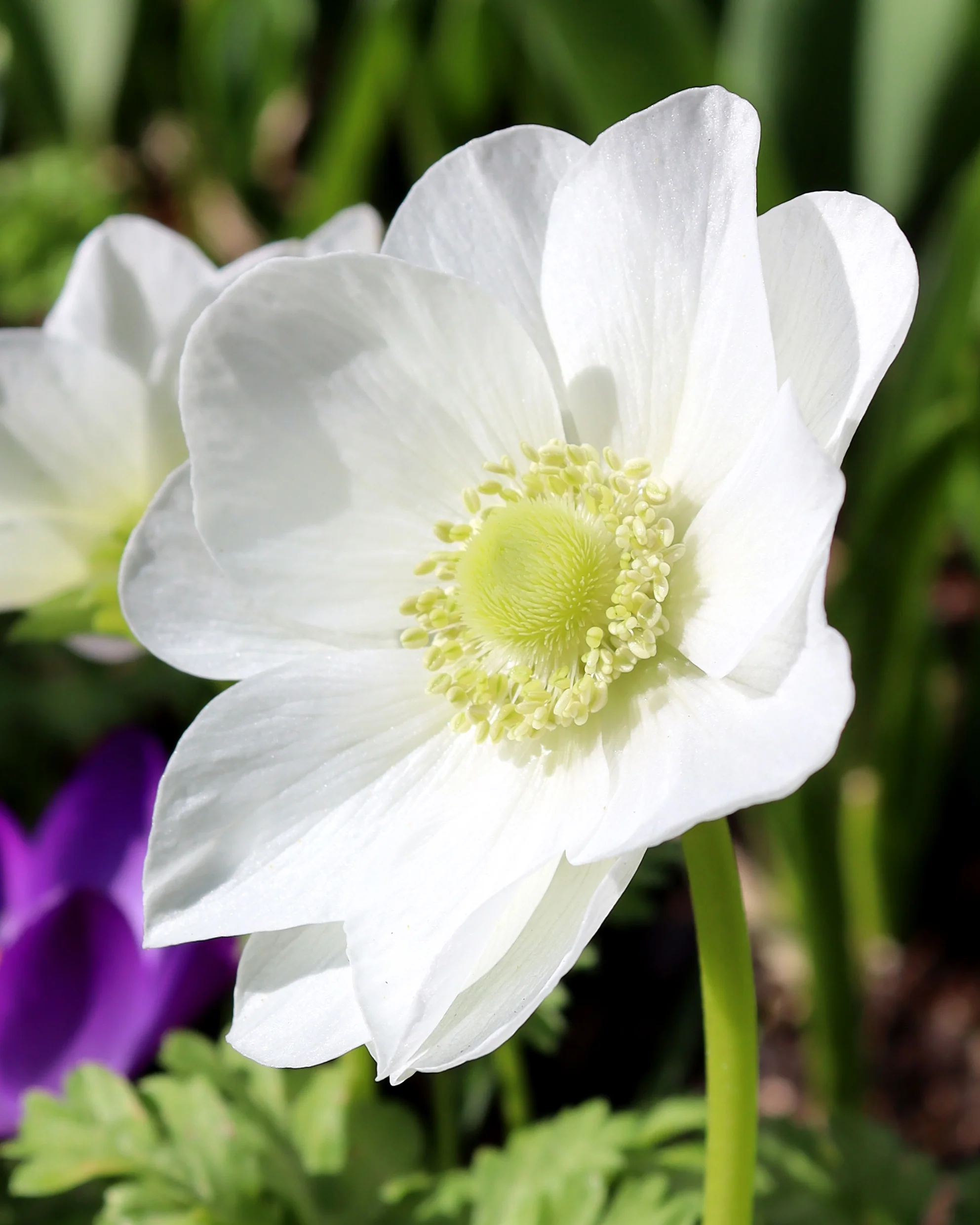
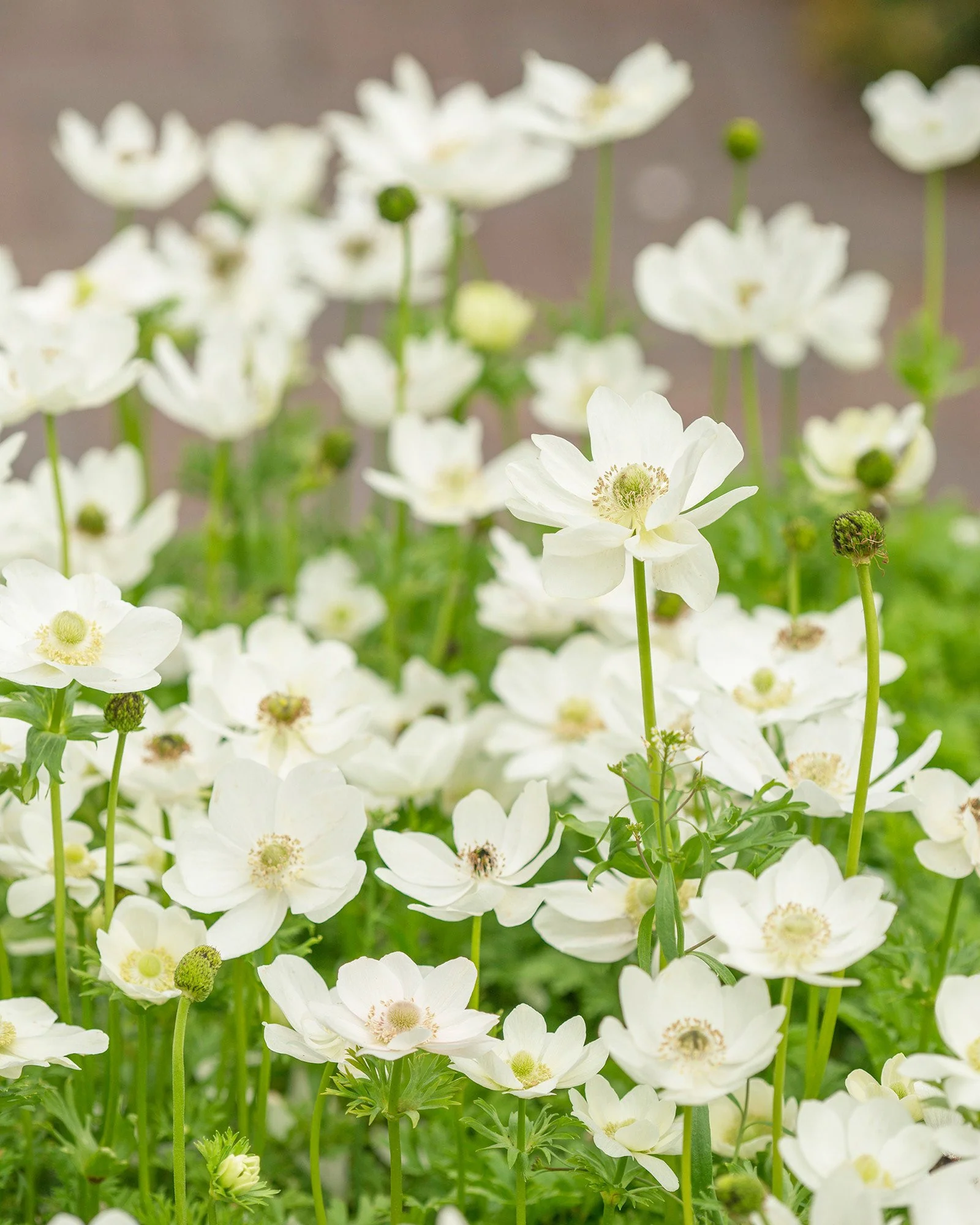
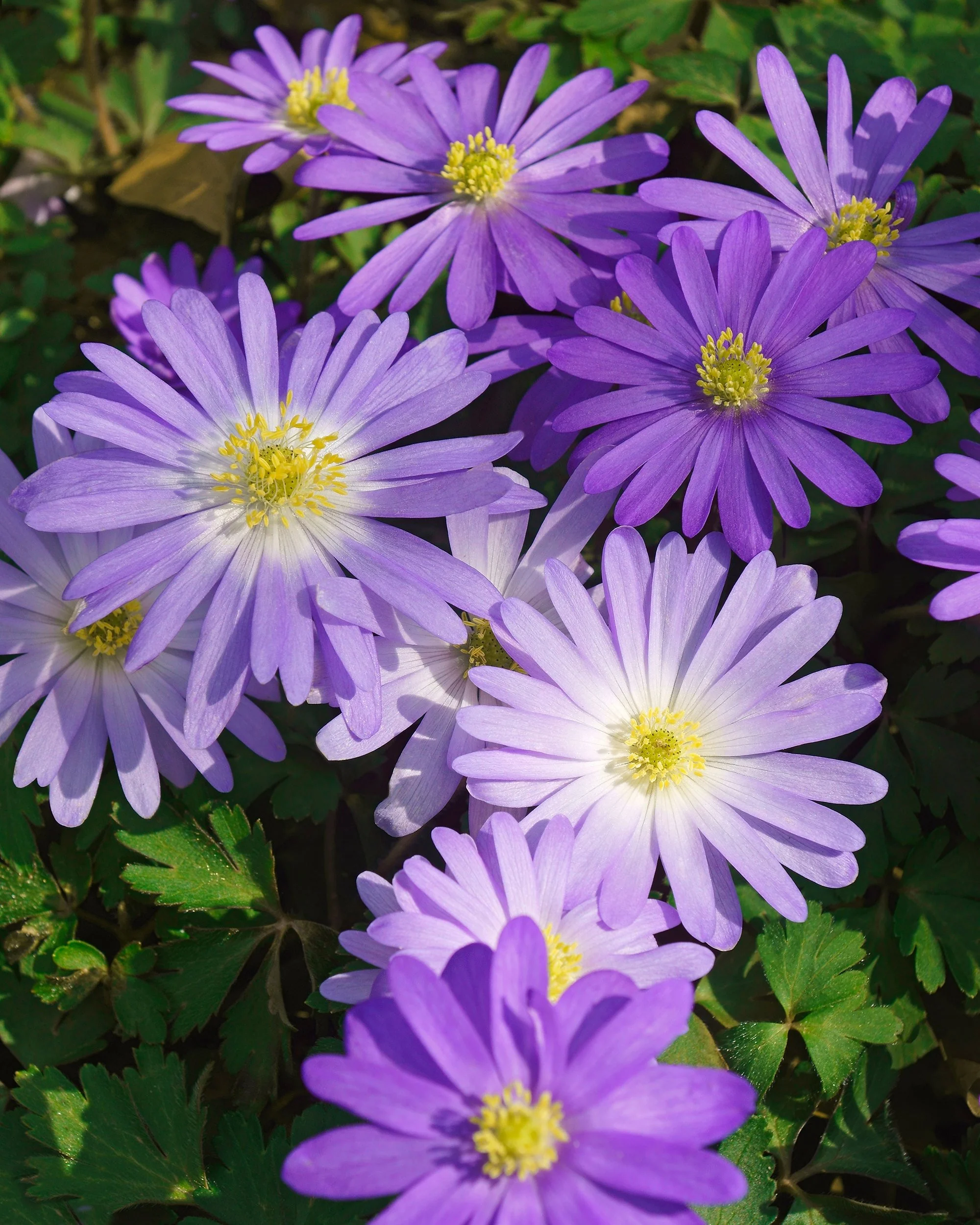
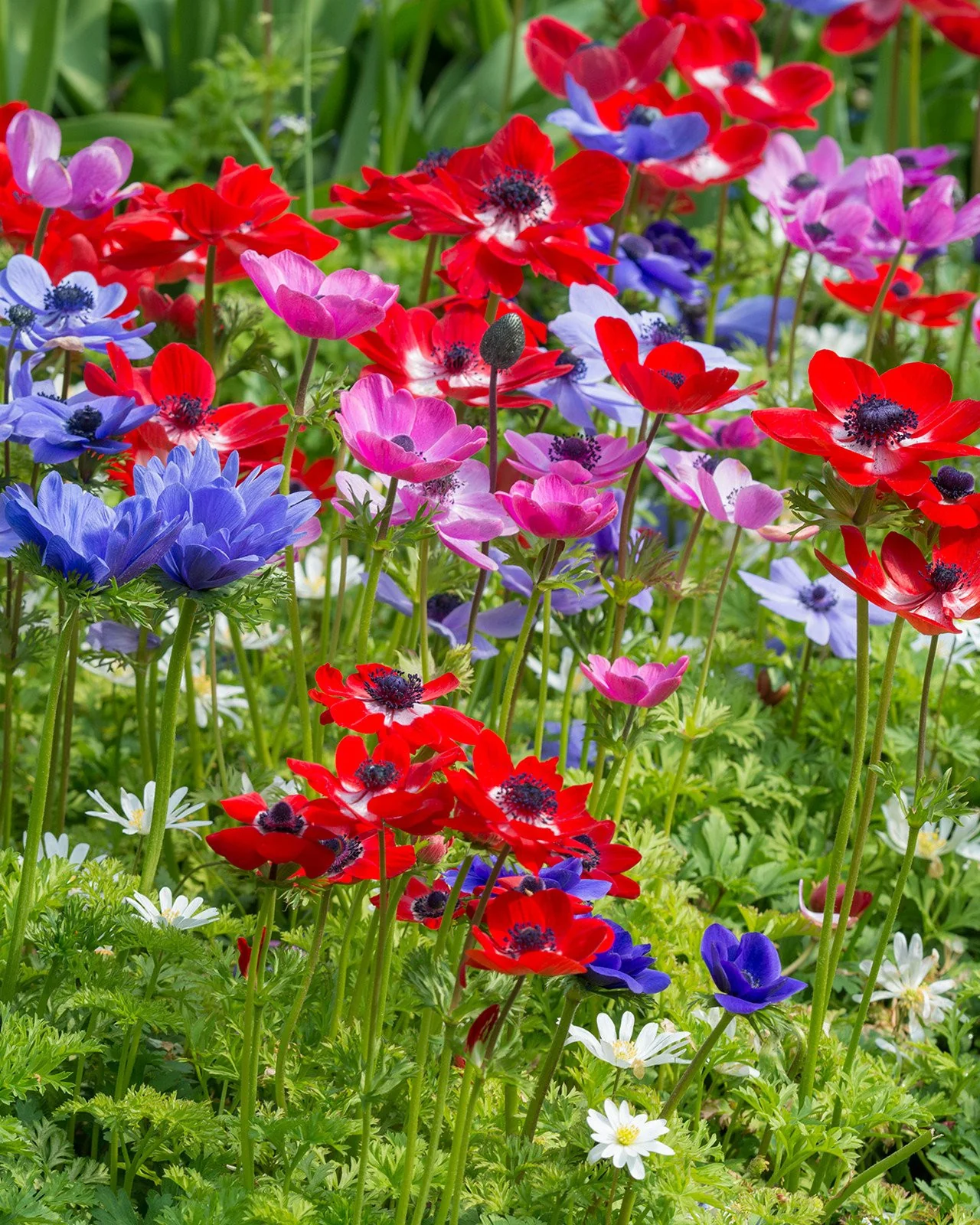
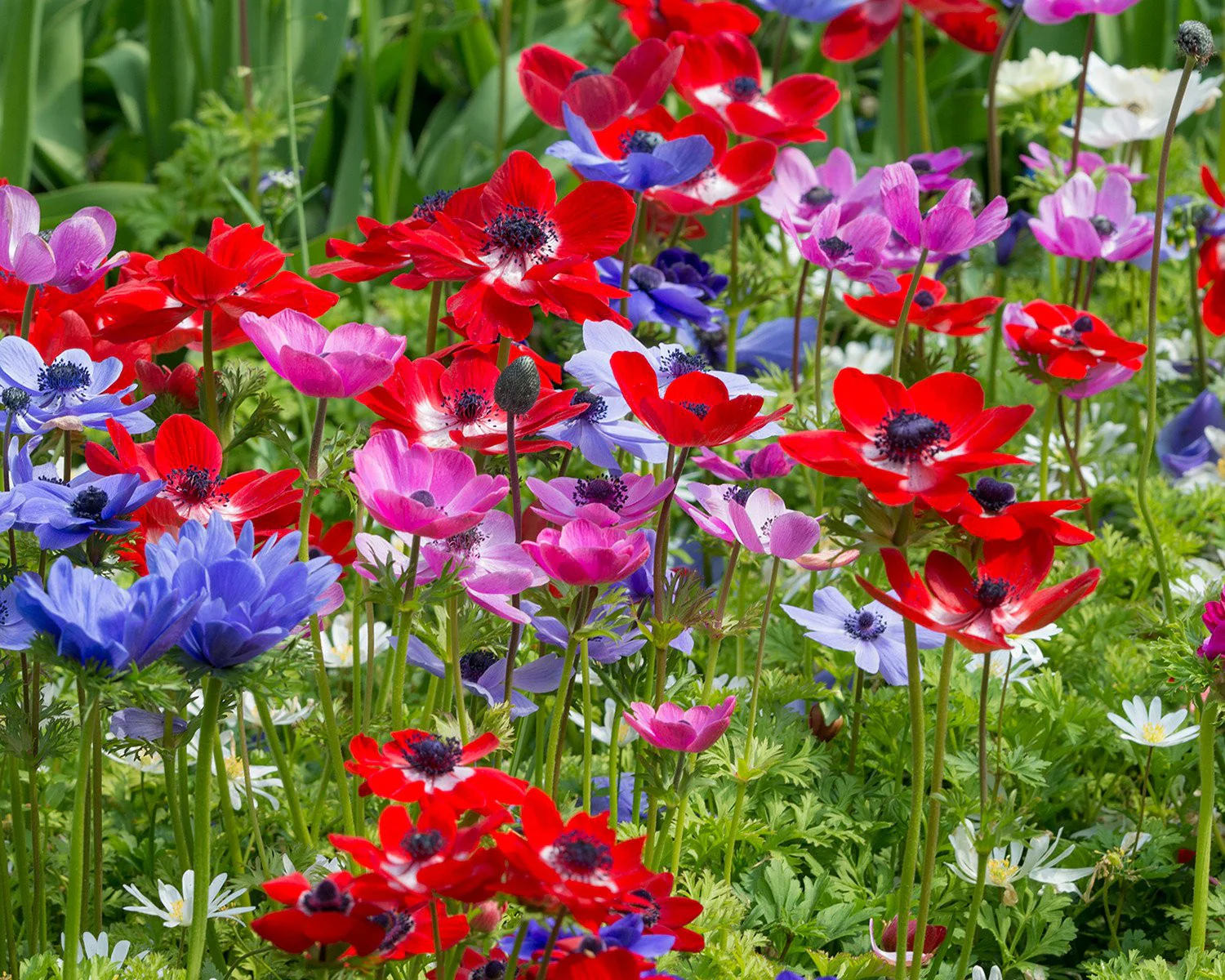
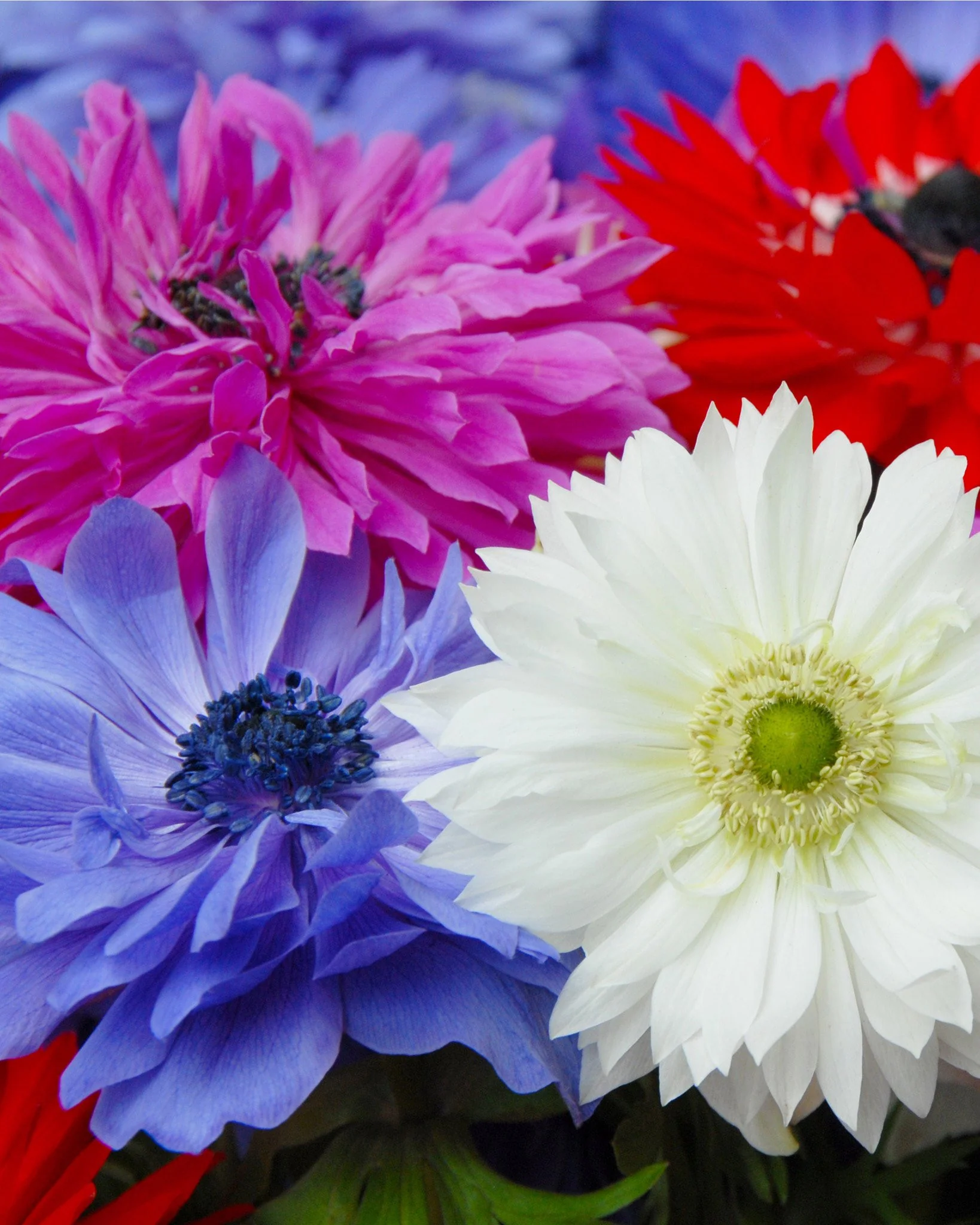
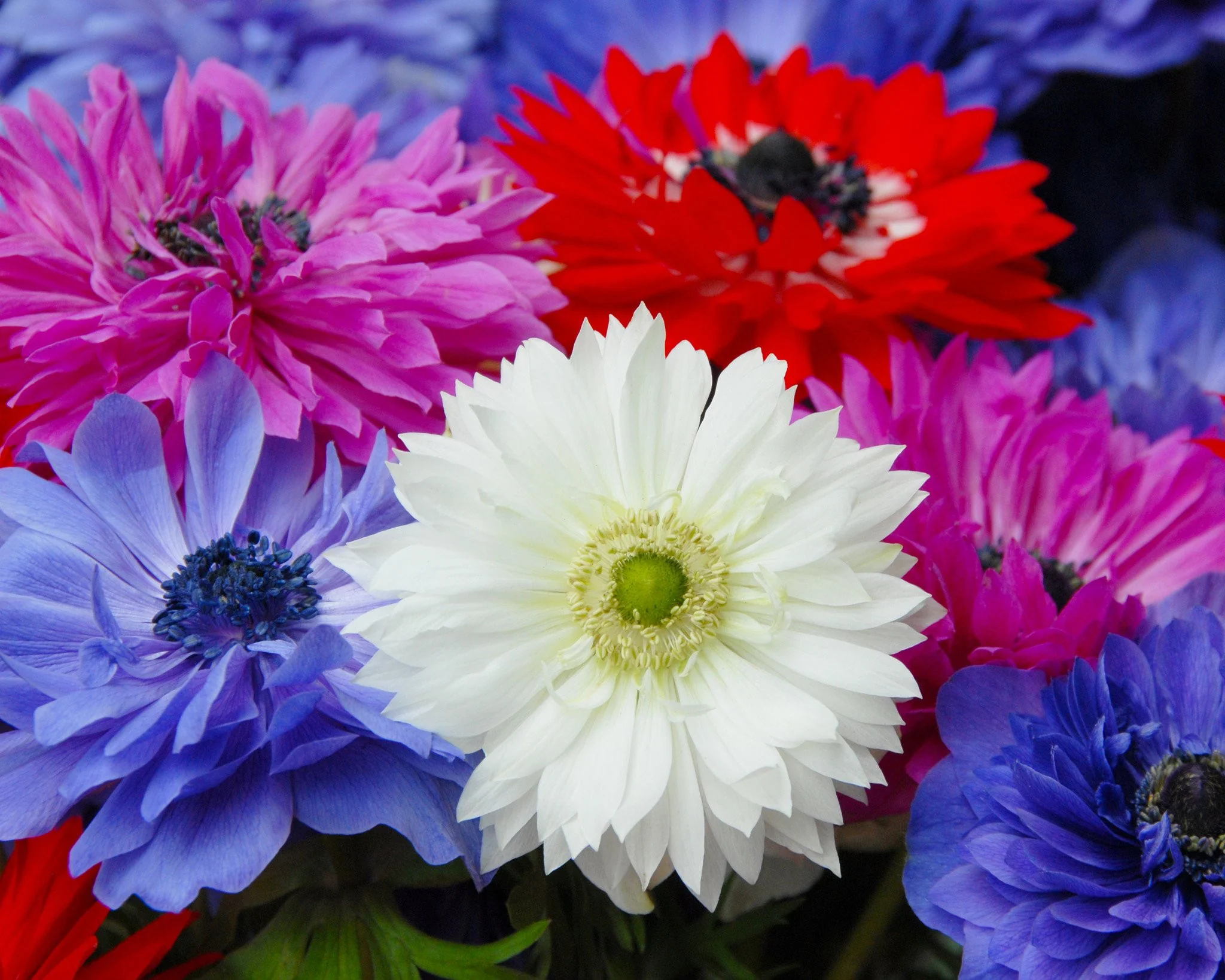
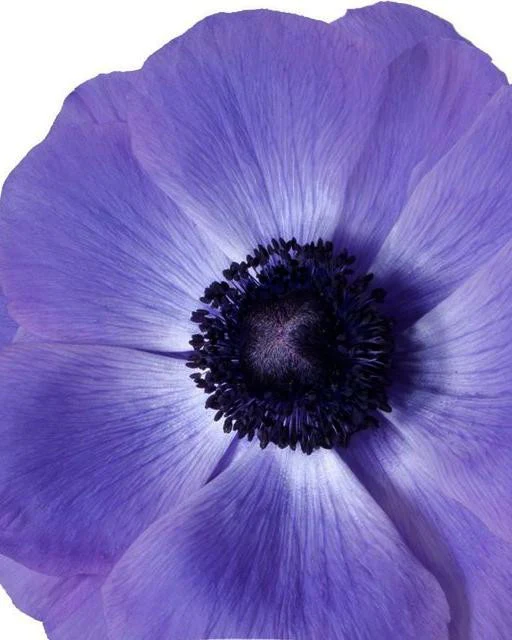
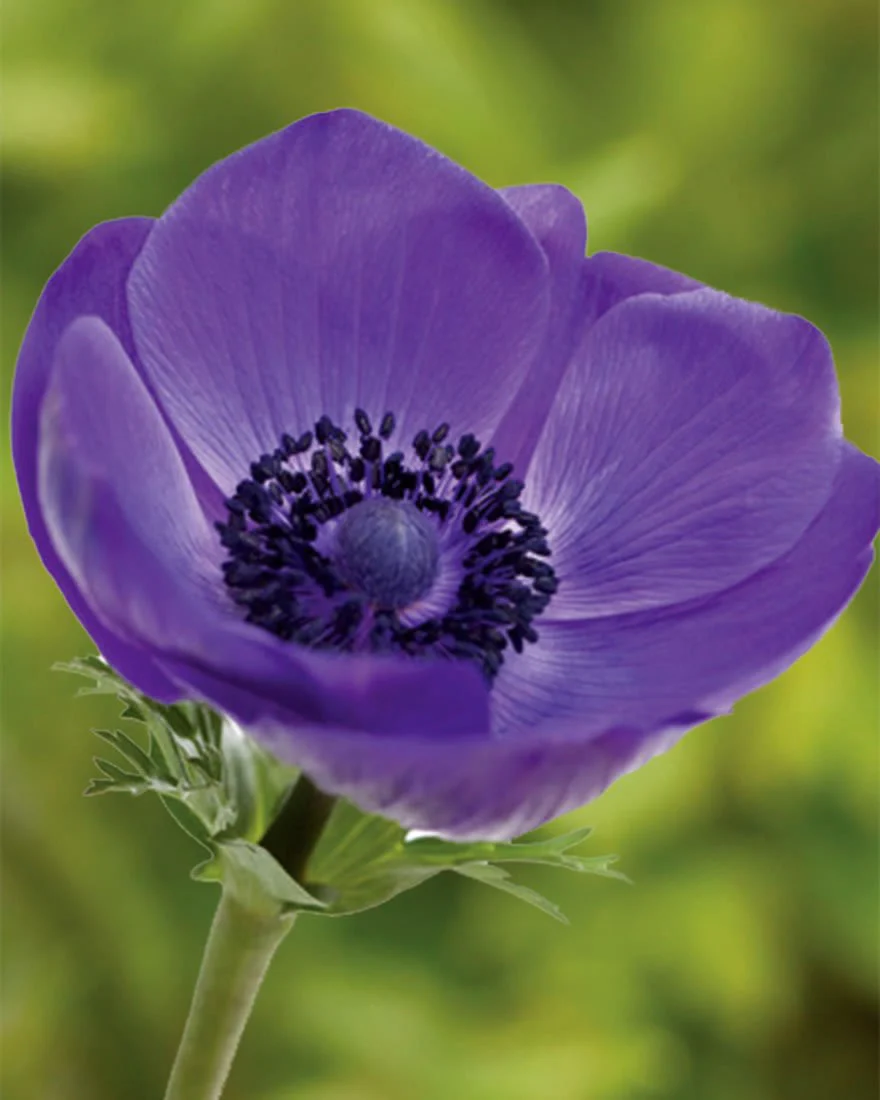
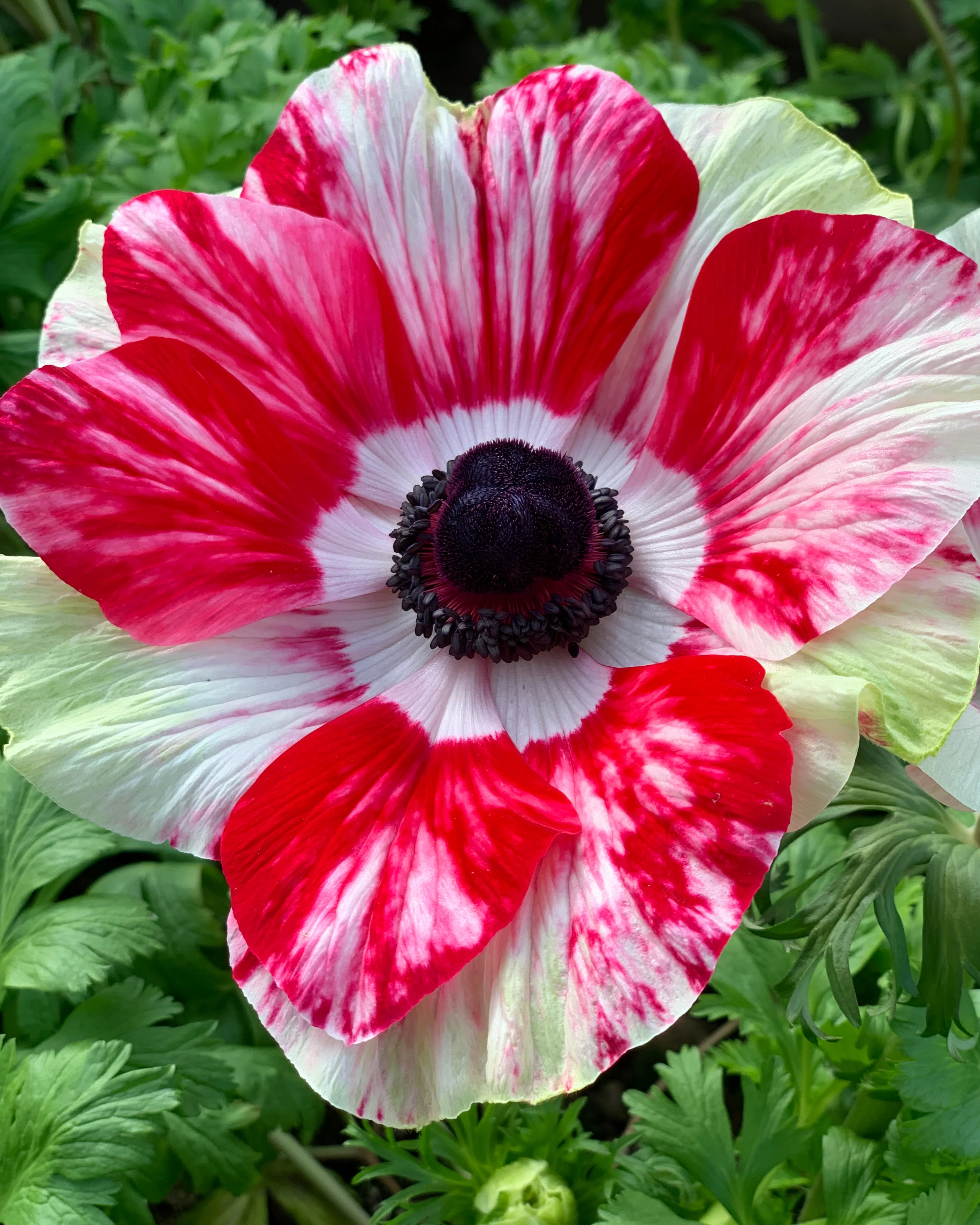
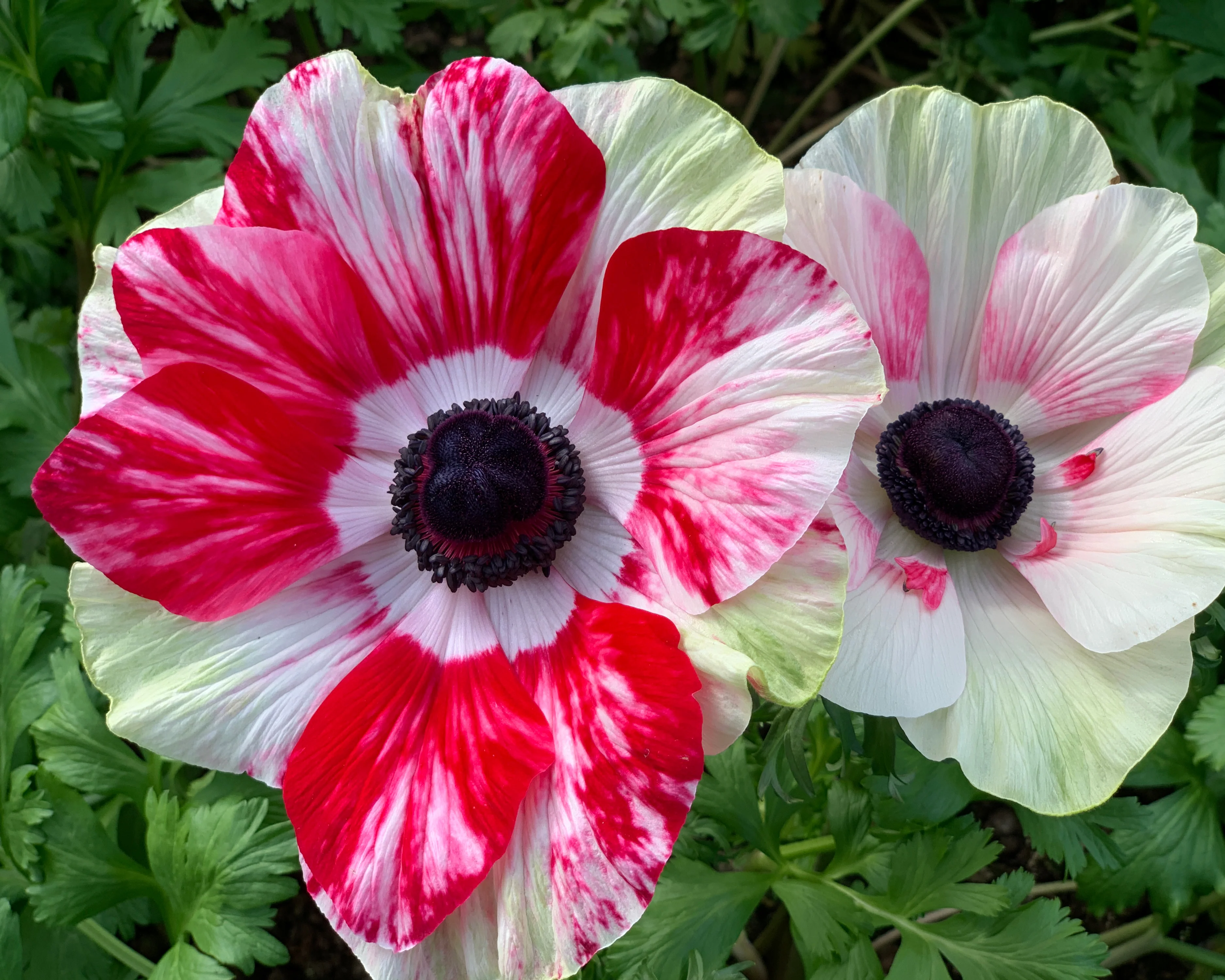
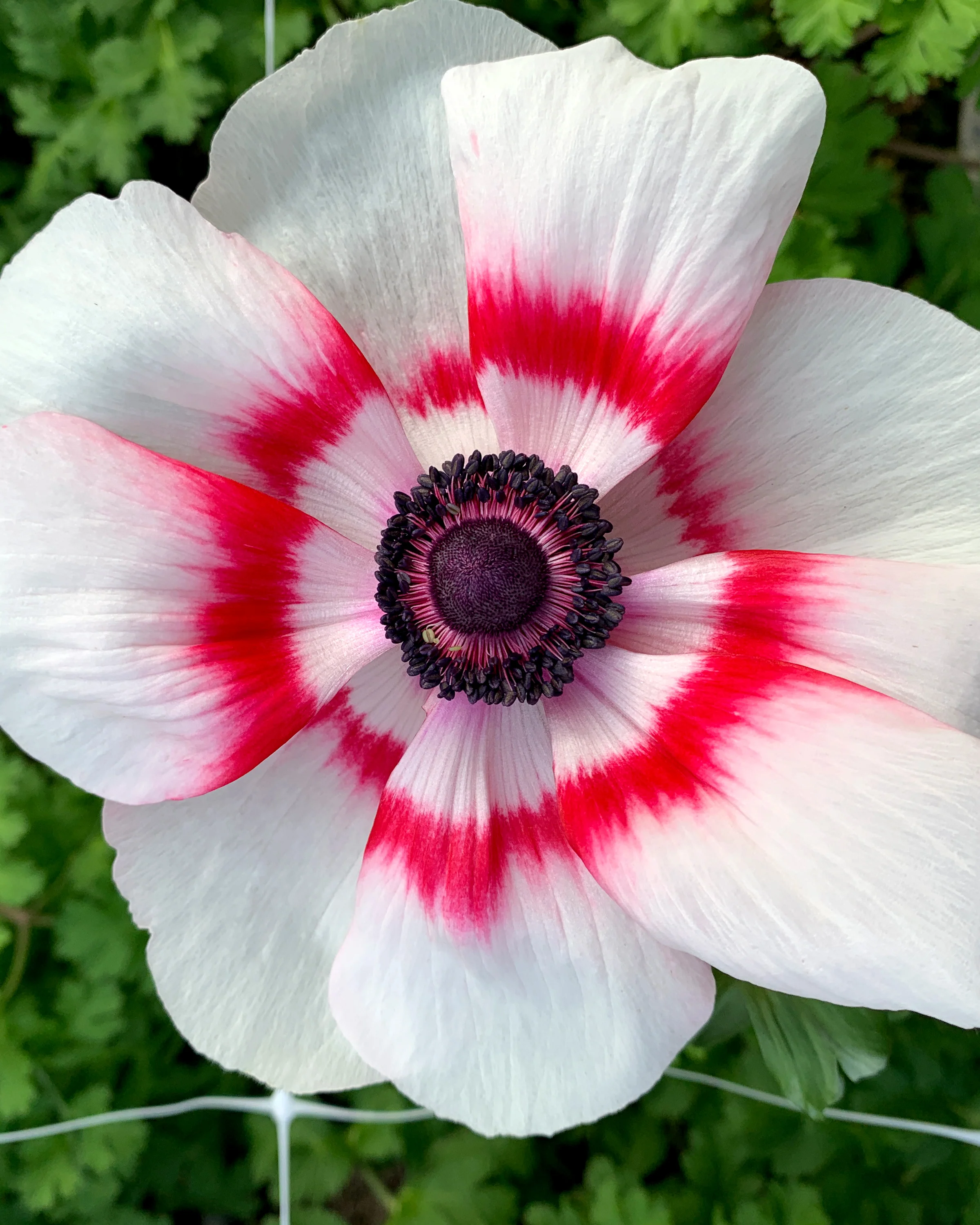
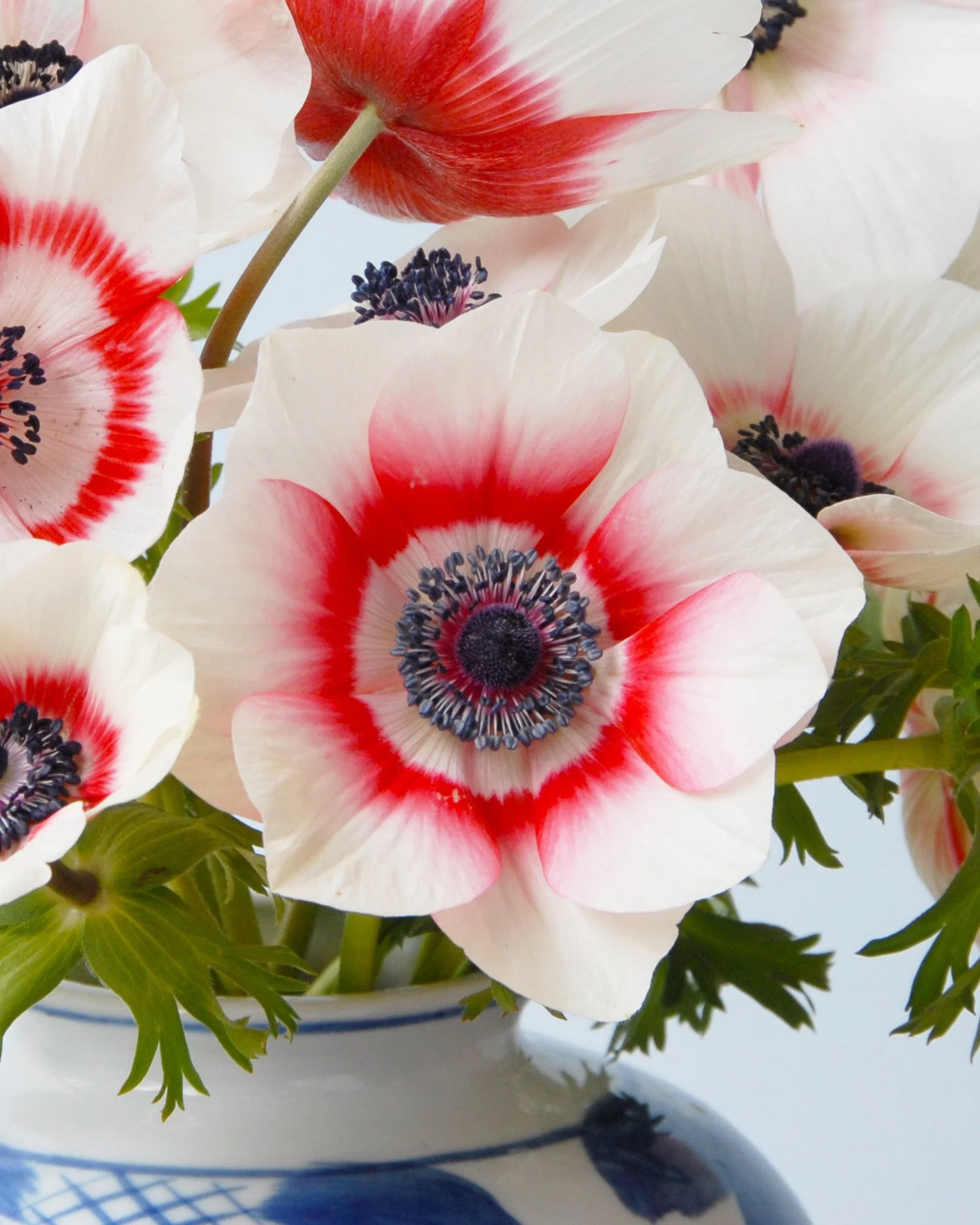
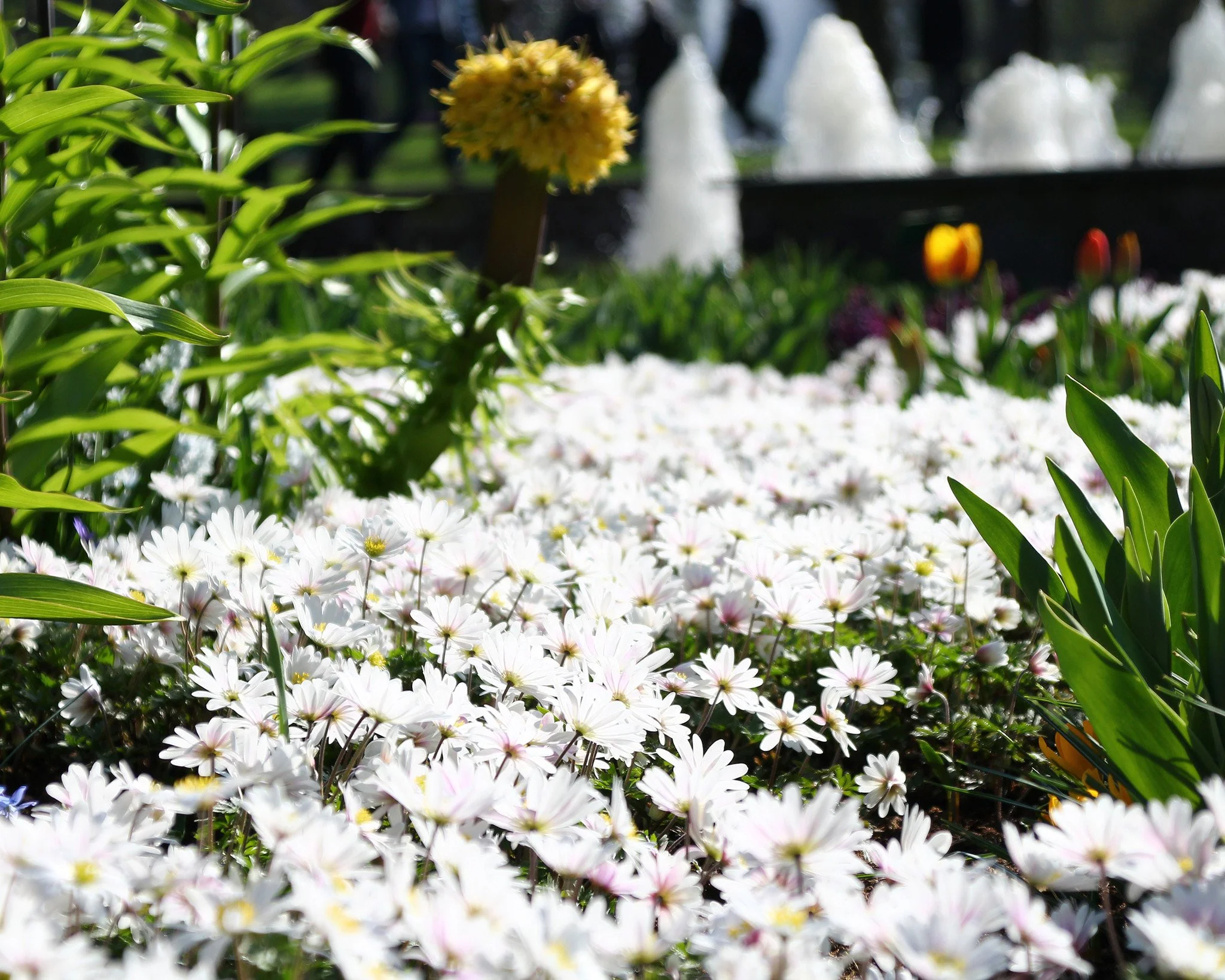
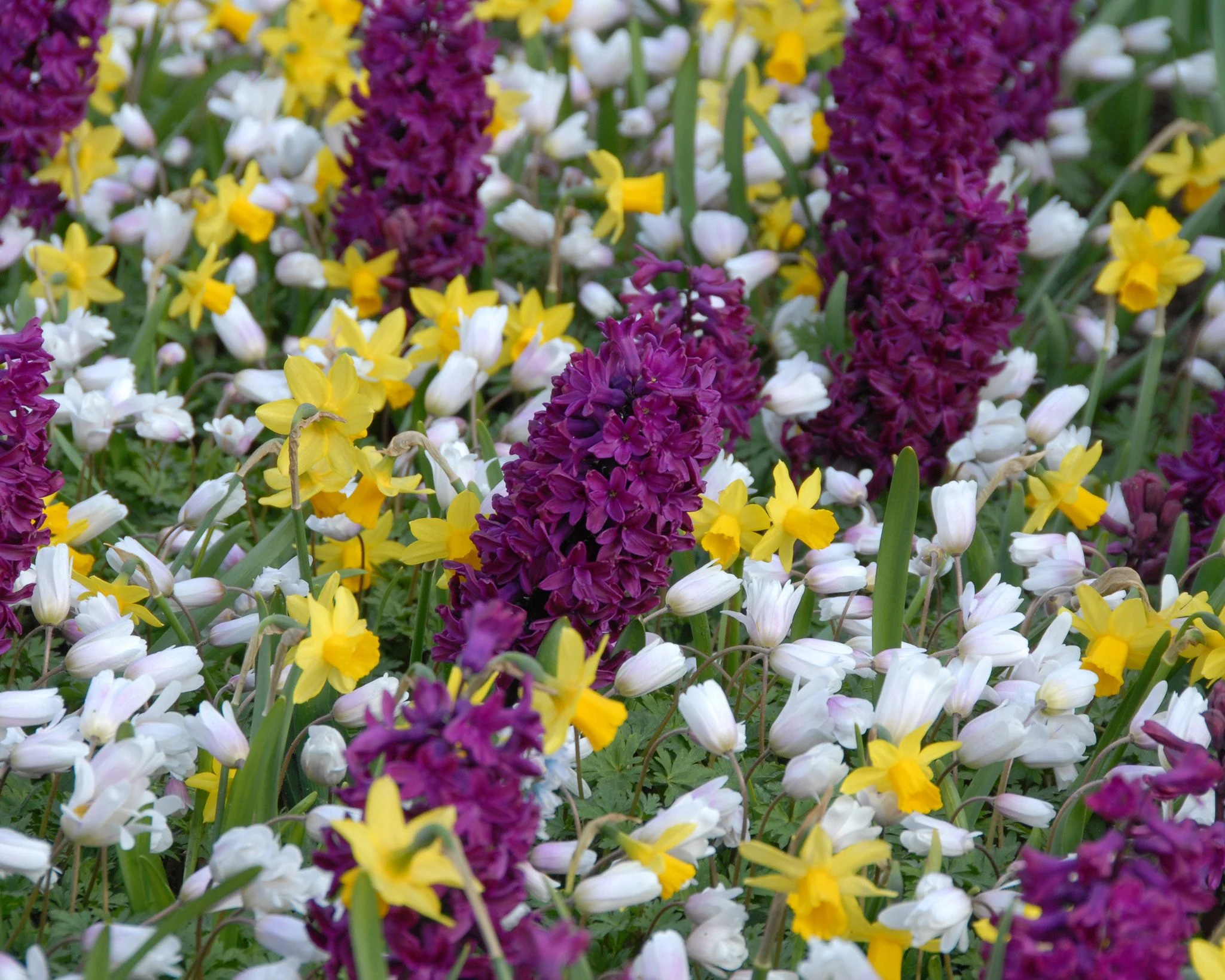
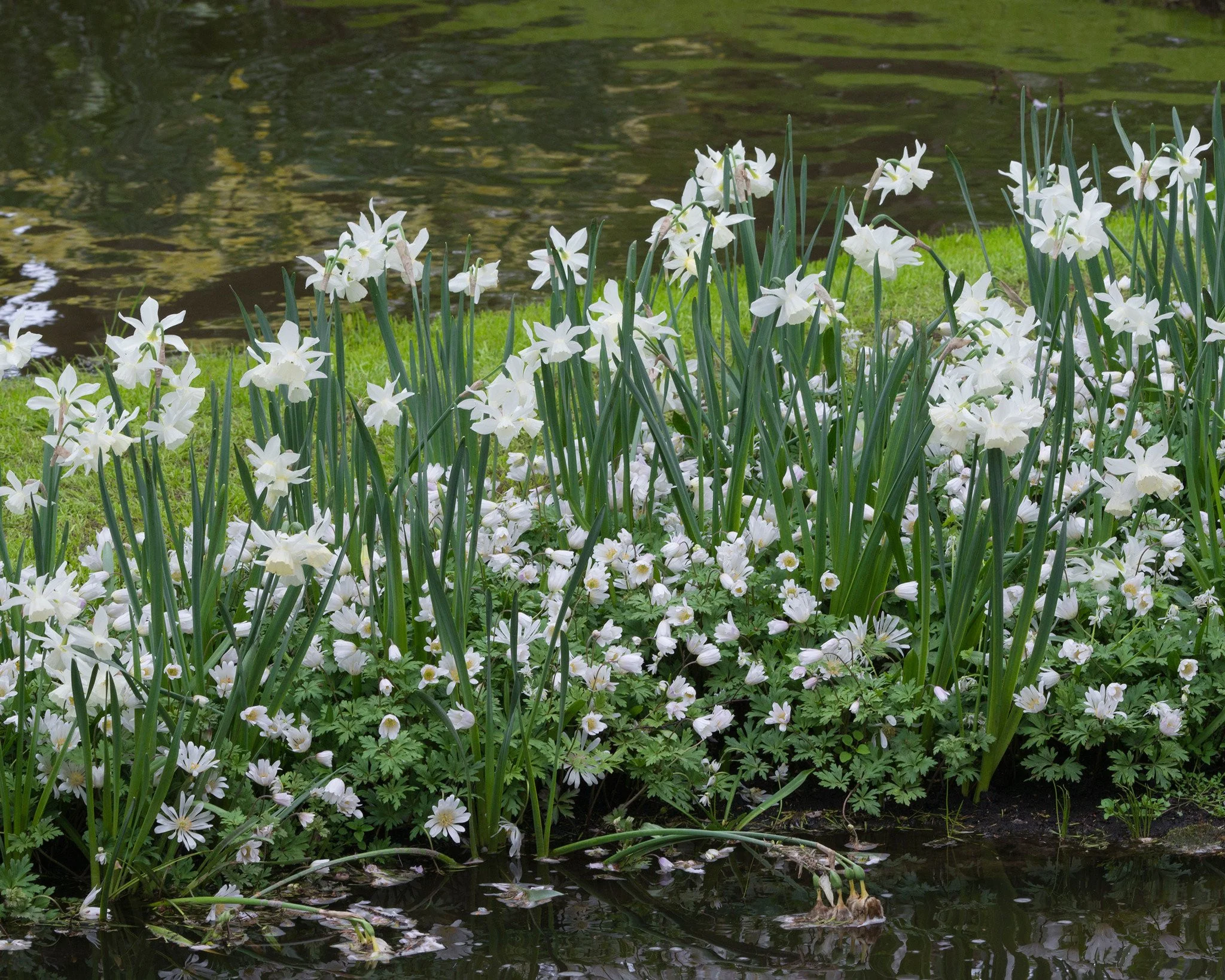
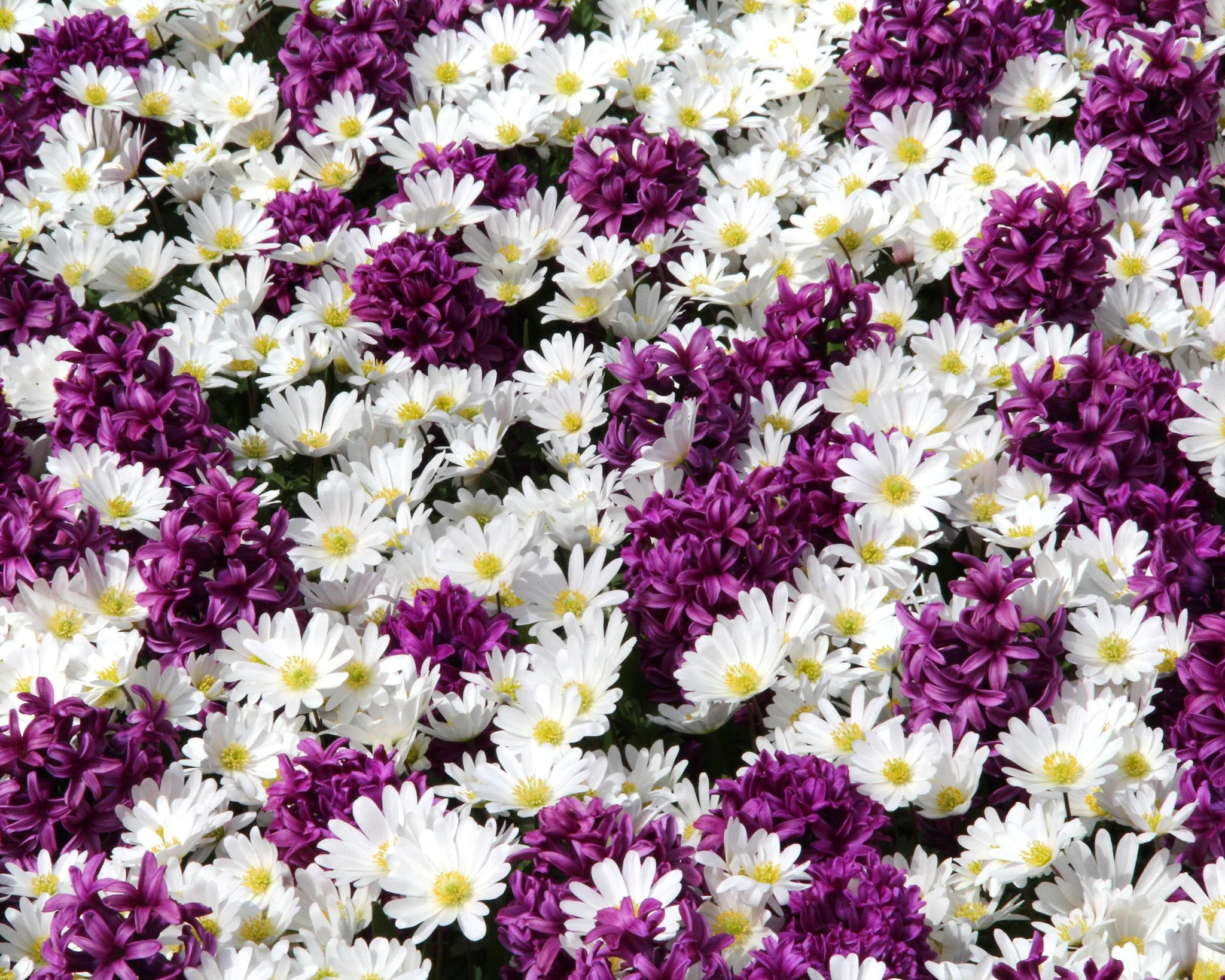
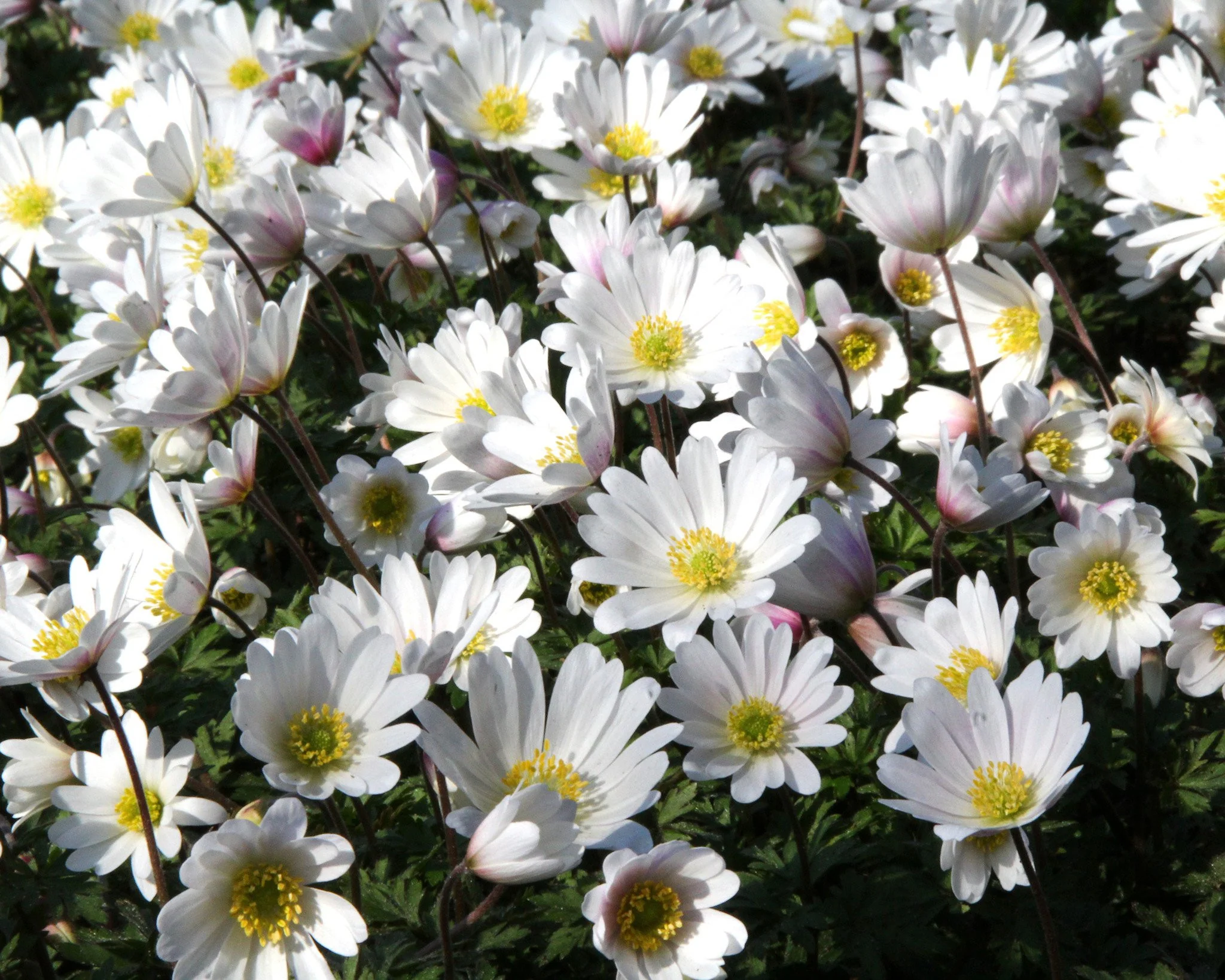
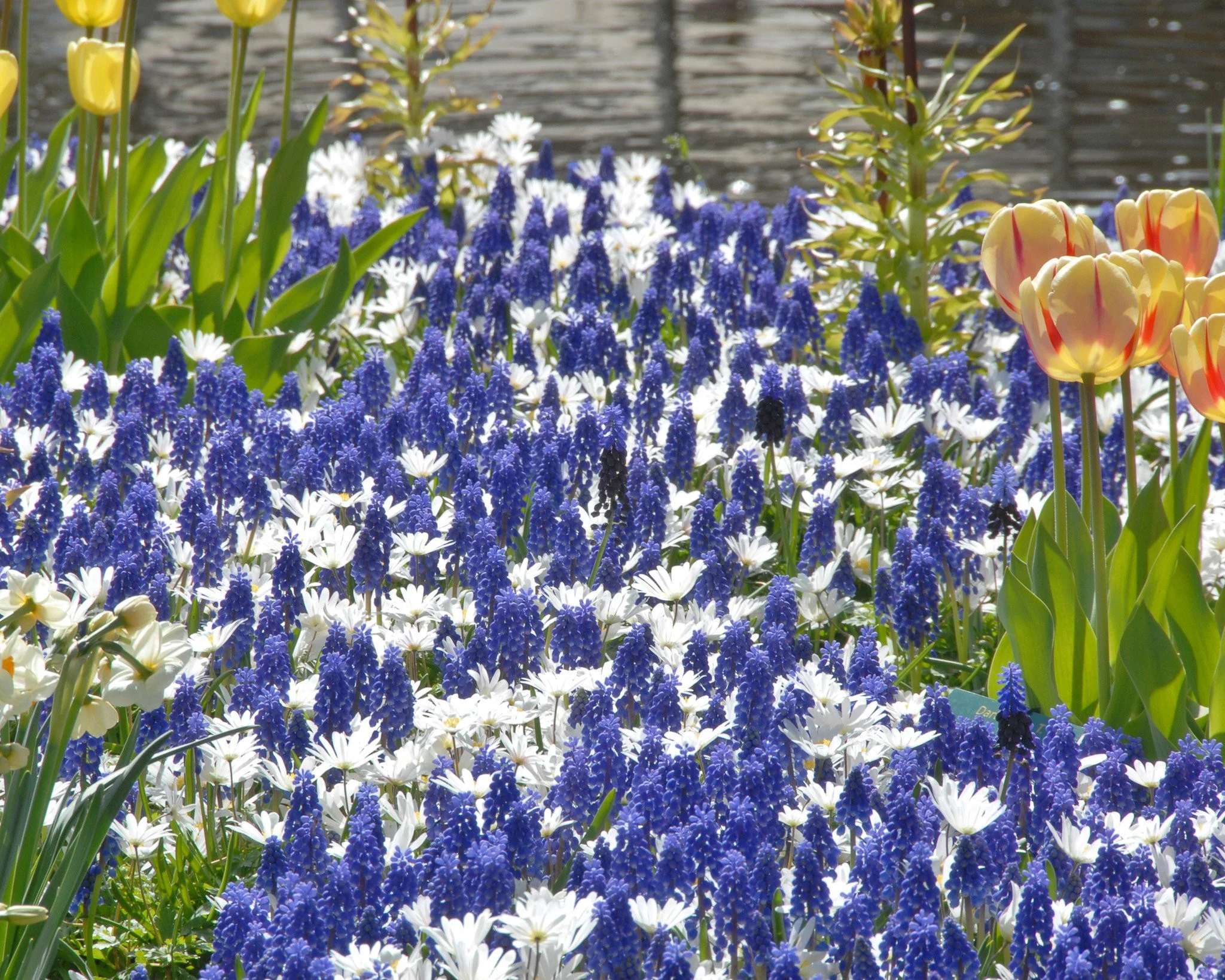
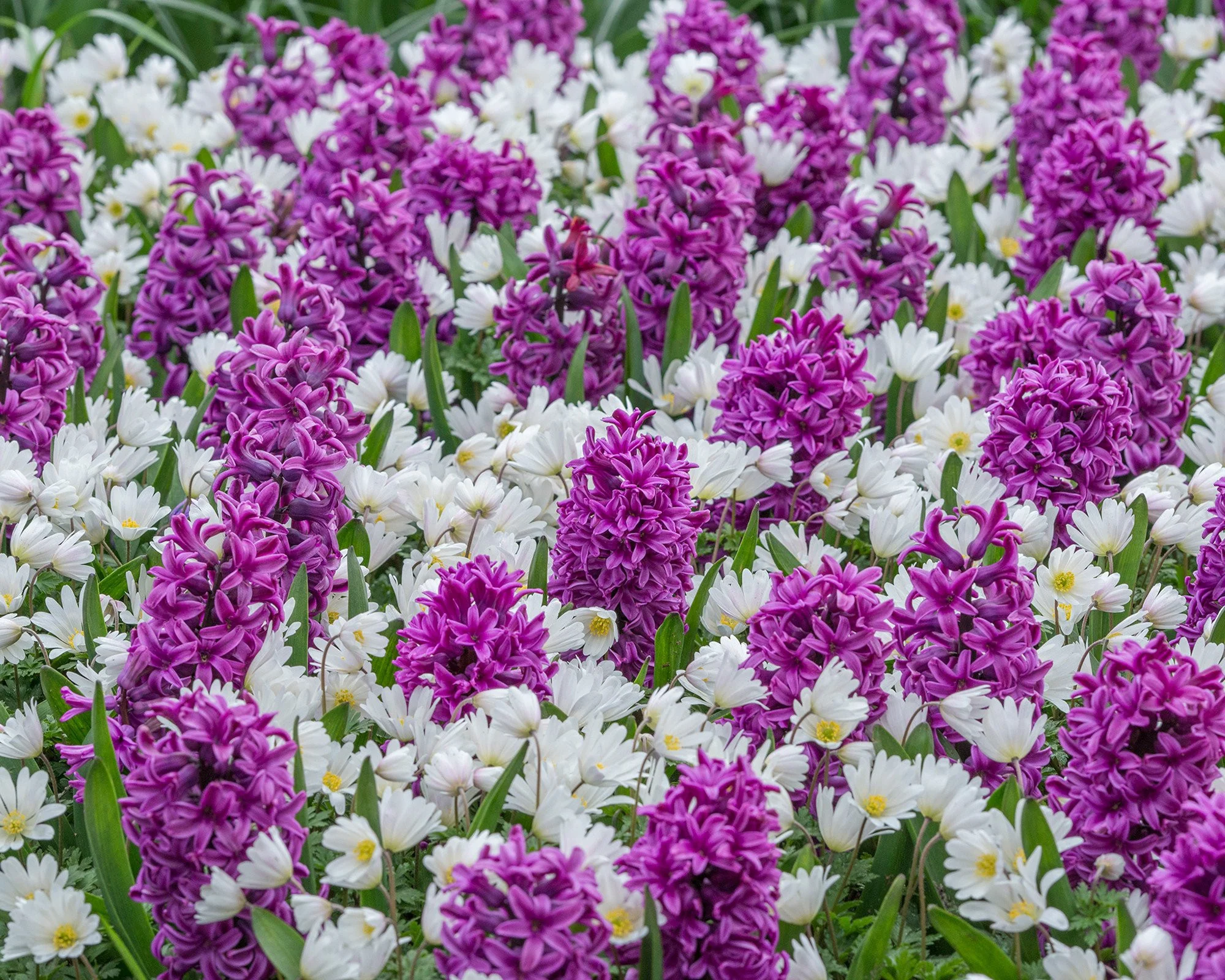
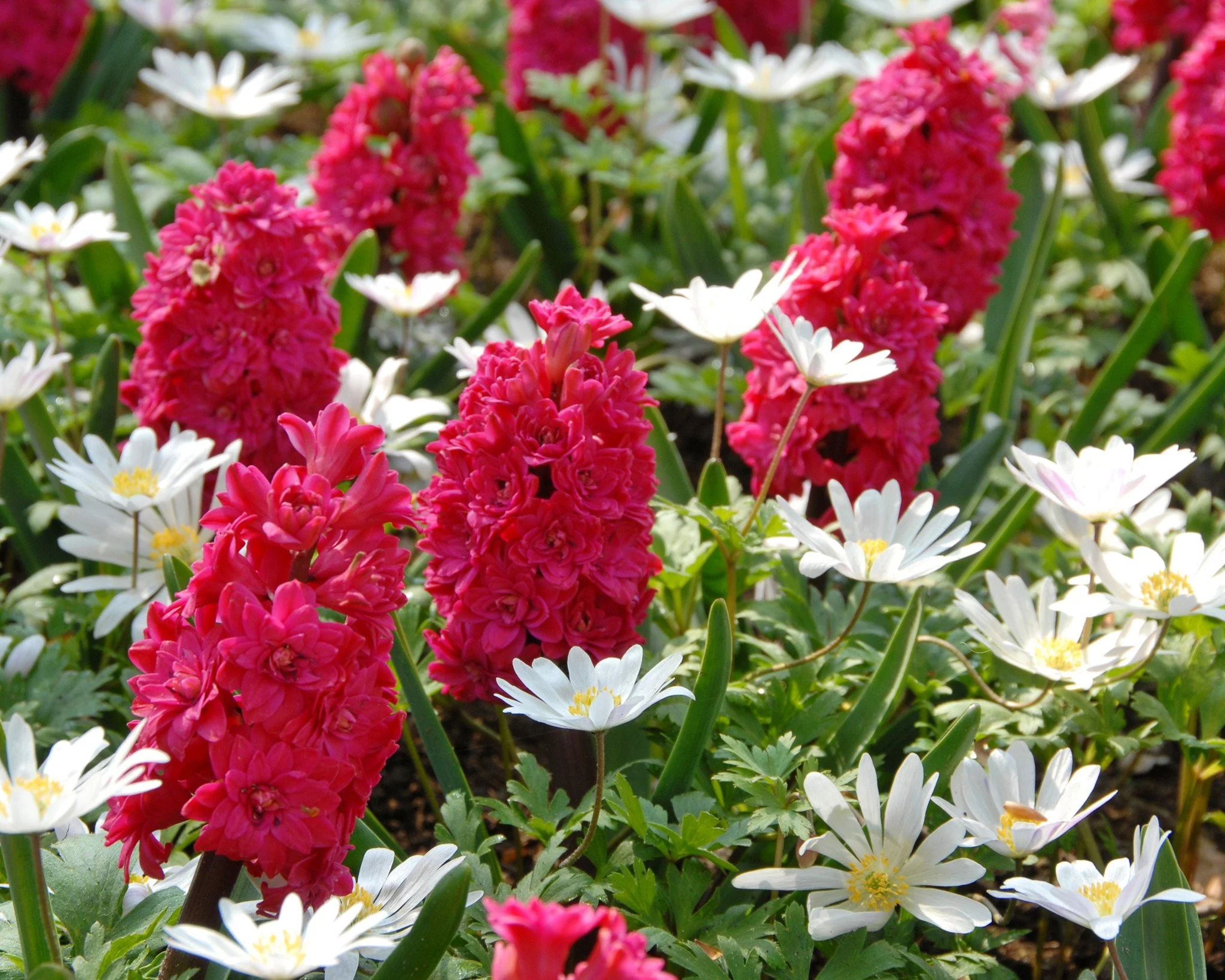
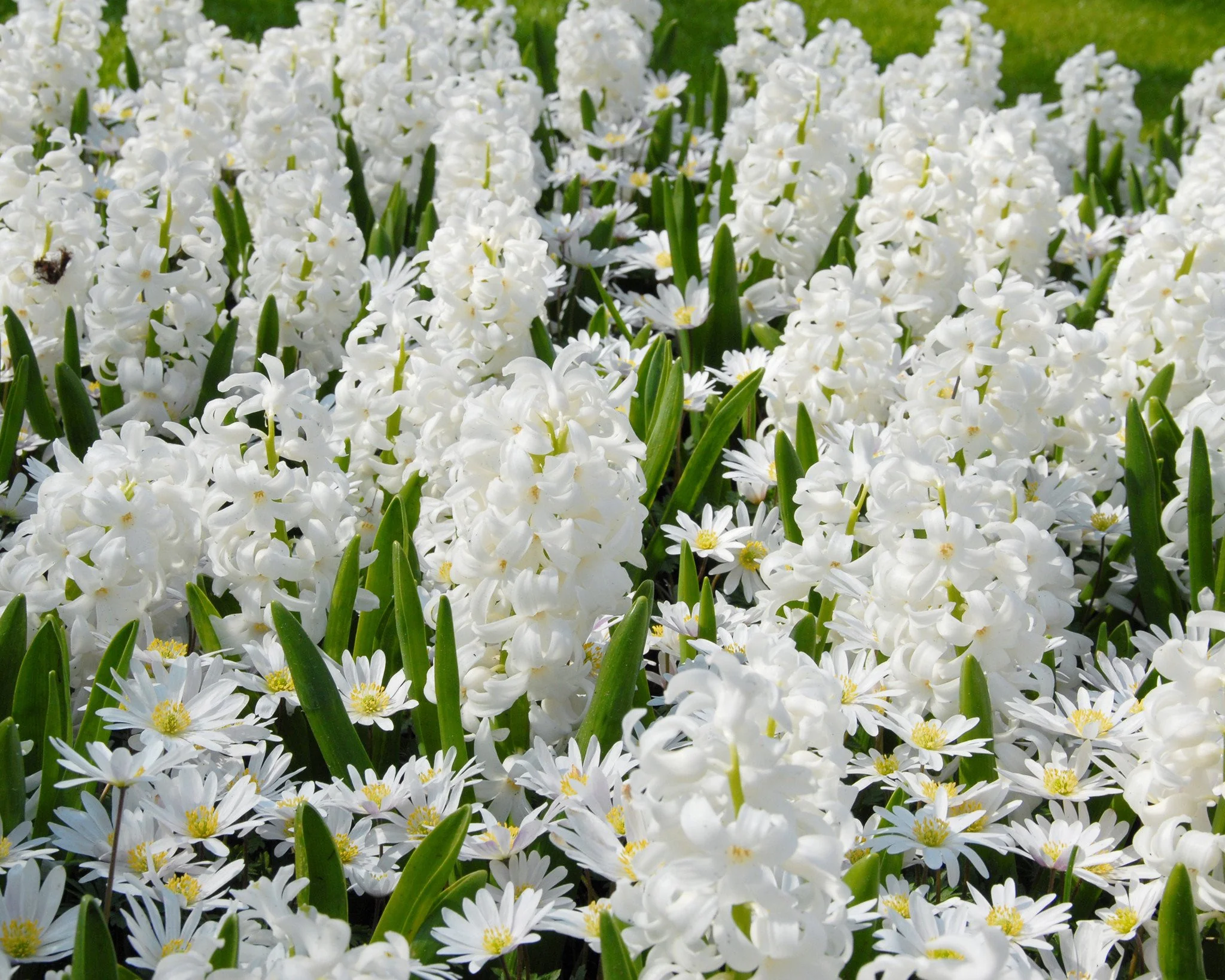
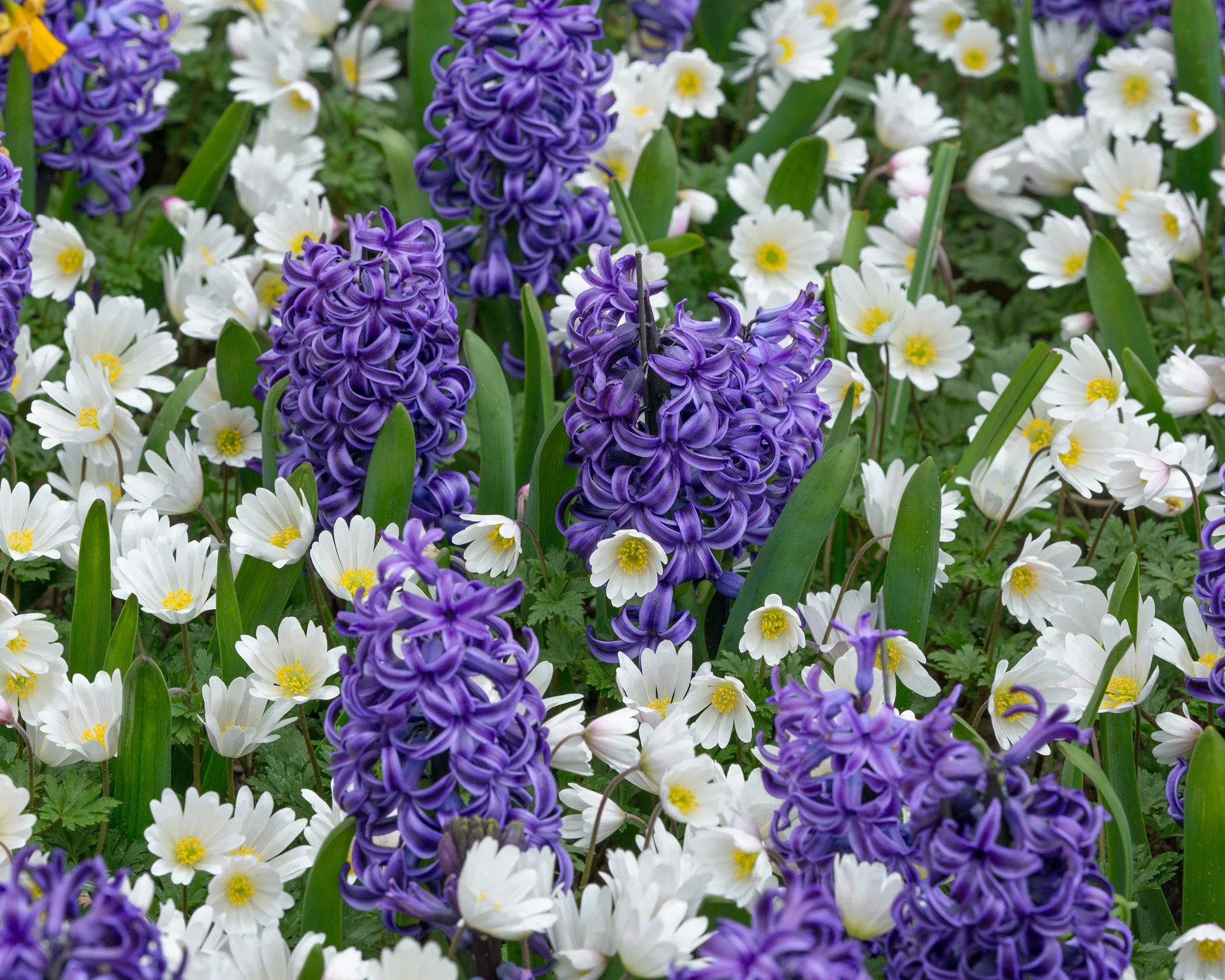
These daisy-like flowers bloom copiously and spread easily so planting some this year is an investment in many springs to come. Anemone 'White Splendour' will thrive in your rock garden or fill spaces under taller and more striking spring bulbs with their cheerful open flower. A mass of white Grecian windflowers will have you remembering memories of springs long ago. There’s nothing like the simplicity of these star-like flowers with their narrow “he loves me, he loves me not” petals surrounding a yellow centre dotted with green. Anemone blanda 'White Splendour' willl brighten your spirits as well as your garden as you move from winter towards summer.
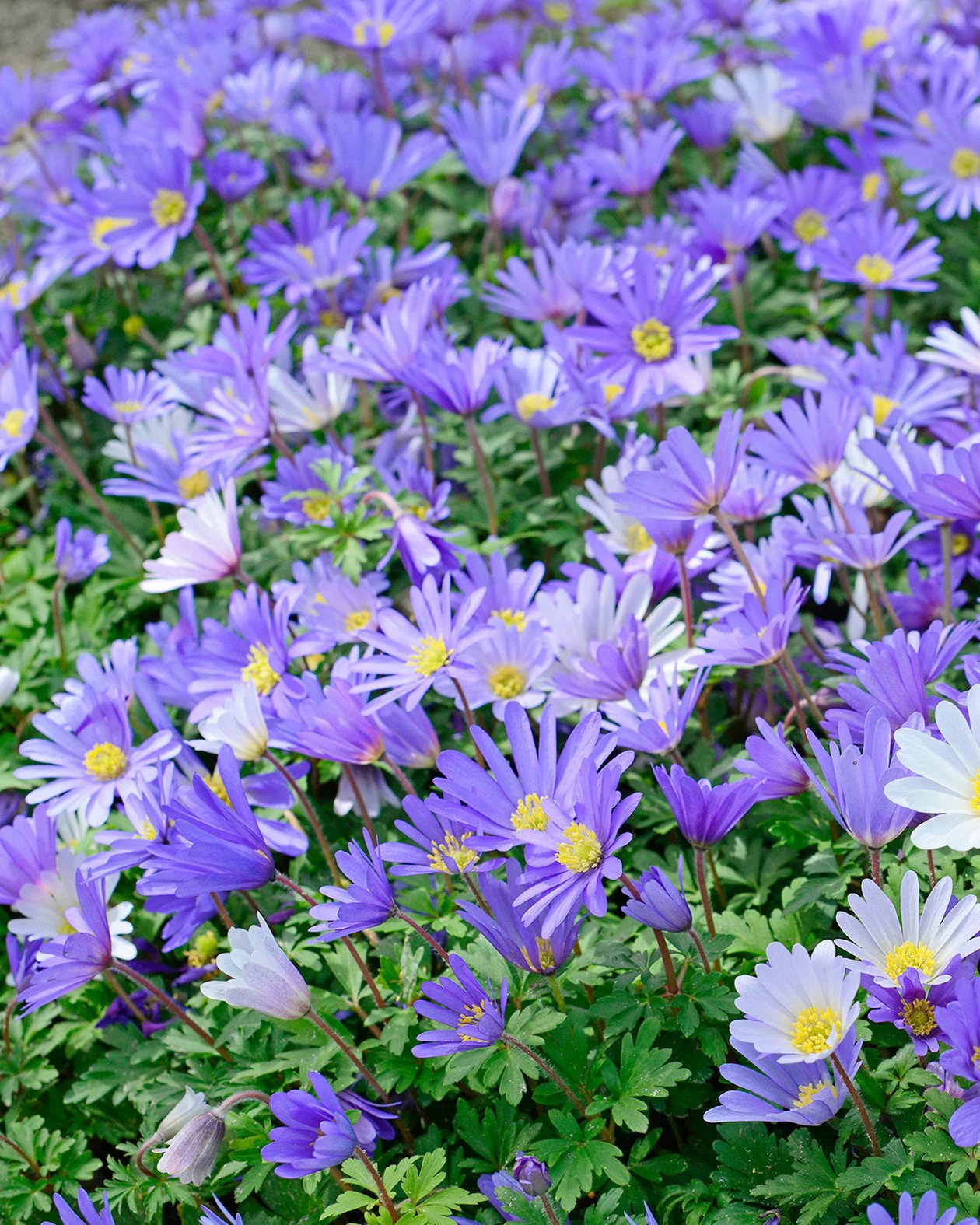
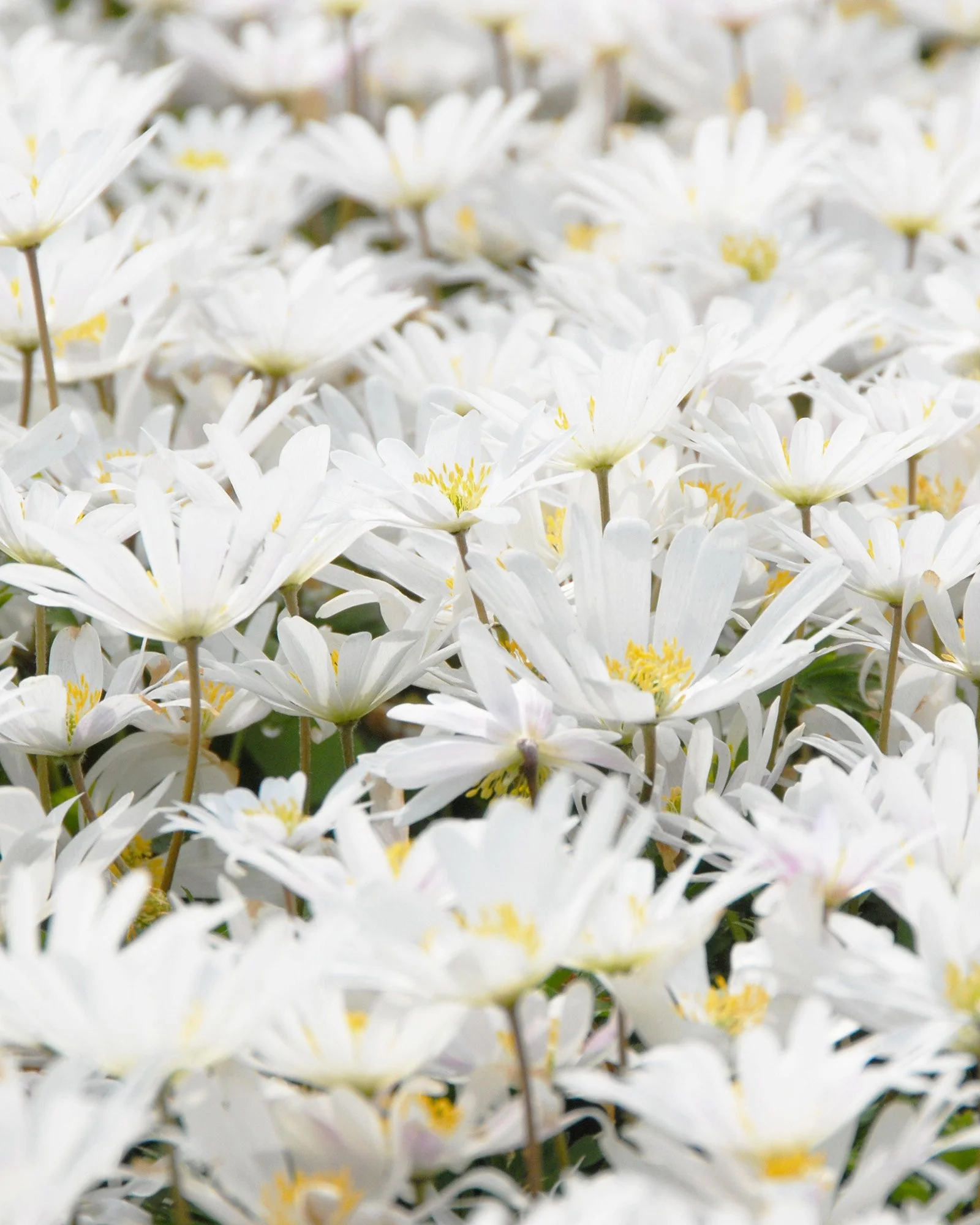
Anemone blanda 'White Splendour' naturalizes easily, meaning more beauty with less effort over time. In the years following their introduction, the white windflowers will multiply, bringing more life and light to your garden space. When in bloom from late winter to early spring, these hardy flowers also attract the first of the season's pollinators, offering sustenance to awakening bees.
Original: $10.58
-70%$10.58
$3.17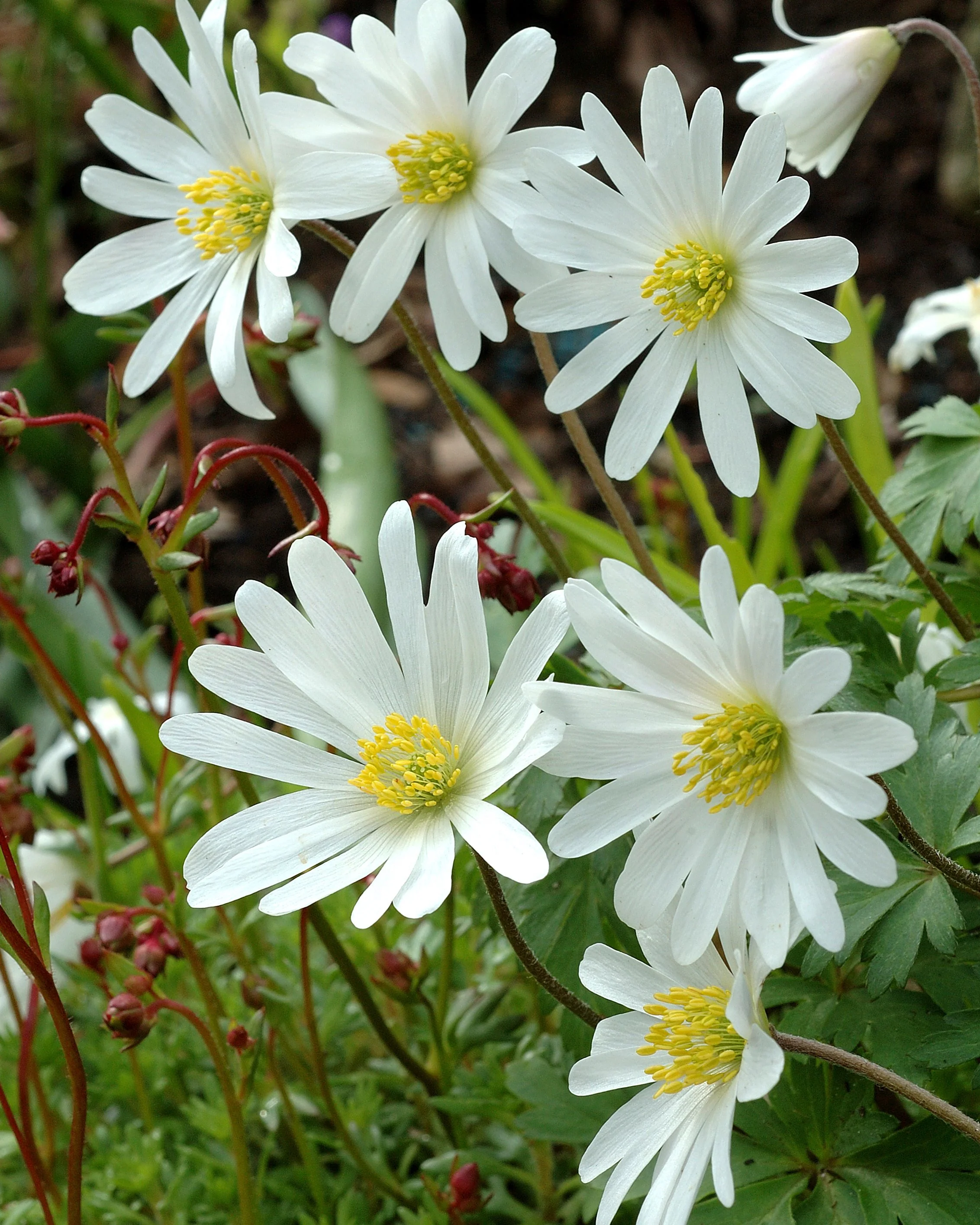
Description
These daisy-like flowers bloom copiously and spread easily so planting some this year is an investment in many springs to come. Anemone 'White Splendour' will thrive in your rock garden or fill spaces under taller and more striking spring bulbs with their cheerful open flower. A mass of white Grecian windflowers will have you remembering memories of springs long ago. There’s nothing like the simplicity of these star-like flowers with their narrow “he loves me, he loves me not” petals surrounding a yellow centre dotted with green. Anemone blanda 'White Splendour' willl brighten your spirits as well as your garden as you move from winter towards summer.
Anemone blanda 'White Splendour' naturalizes easily, meaning more beauty with less effort over time. In the years following their introduction, the white windflowers will multiply, bringing more life and light to your garden space. When in bloom from late winter to early spring, these hardy flowers also attract the first of the season's pollinators, offering sustenance to awakening bees.